Writing Craft series, volume 1
Buy now | About the book | Table of Contents
Advance praise | Product details
Worksheets & Bonus Material | More in the series
Character Arcs
Founding, forming and finishing your character’s internal journey
With a foreword by Janice Hardy, author of the Healing Wars series and the popular writing blog, Fiction University!
If you’ve read my blog series or attended my class on character arcs, this offers an expanded version of the material covered there, with more topics, more examples and more help for you and your characters!
Buy now
| Purchase direct |
Also available from: And in print And from   |
Advance praise
“Amid the vast number of books that focus on the what and why of character arcs, Jordan McCollum has created a refreshing guide that demystifies the how. Any writer interested in learning more about how to create a realistic character arc and smoothly add it to their story will benefit greatly from this book.”
—Becca Puglisi
author of The Emotion Thesaurus: A Writer’s Guide to Character Expression
About the book
WHY DOES YOUR STORY MATTER?
CHARACTER ARCS show the events of our story are worth reading about.
In most works of fiction, the major characters don’t just experience the events of the plot—the story changes them. They learn and grow, ultimately succeeding at the climax of the story because of all they’ve gained. Even the greatest plot in the world can ring flat if the character’s internal journey isn’t dramatic enough. For a character to truly resonate with readers, he should change and grow over the course of the story.
CHARACTER ARCS will help you:
- Give your readers a powerful experience in any genre
- Discover your character’s arc: their internal, emotional journey.
- Implement that character arc to make your readers root for your character.
- Keep your story moving by using external plot events to prompt your character’s internal growth.
- Revise your character’s arc for maximum impact.
- PLUS a special chapter on using character arcs in romances, family dramas & other relationship stories.
Far from a write-by-numbers manual, this approach examines the basic mechanics of character change to show you how to apply these principles in your own work, with numerous examples.
Add power and resonance to any story—master character arcs!
Add Character Arcs to your Goodreads!
Buy now | About the book | Table of Contents
Advance praise | Product details | Worksheets
Product details
 Publisher: Durham Crest Books
Length: 124 pages
Publication date: 27 October 2013
Genre: Writing craft nonfiction
Formats: Kindle (.mobi), ePub, PDF, Trade paperback
ISBN (trade paperback): 978-1-940096-05-6 (paperback), 978-1-940096-06-3 (e-book)
Table of Contents
- Why Character Arcs Matter
- Discovering Your Character’s Arc
- From starting and ending points
- From the plot
- From the character
- Putting Your Character’s Arc into Action
- External events, internal growth
- FOUNDING: The beginning
- Showing the broken beginning
- Making the emotional starting point bad
- The impetus for action
- Tailoring the antagonist
- FORMING: the middle
- Fail, fail again
- Using external action
- Failure yields growth
- Making real choices
- Intermediate turning points
- Subplots and secondary characters
- External events in action: micro arcs
- FINISHING: the climax, the ultimate moment of character change
- Show that the character has already learned the lesson
- Force the character to take a leap of faith
- Putting the pieces together
- An example in high art: Kung Fu Panda 2
- The dénouement
- Character Arcs in Relationship Stories
- The pattern for true love
- Hero as villain: double character arcs
- Character arcs and gender
- Non-growth Character Arcs
- The negative character arc
- The broken (or unsettling) beginning
- The worsening middle
- The tragic climax
- The change delayed
- The flat character arc
- The good beginning
- The tempting middle
- The ending: fairy tale or tragedy
- The non-arcing character
- The negative character arc
- Revising Character Arcs for Maximum Impact
- Rediscovering your character’s arc
- Beginning and ending
- Middles
- Subplots and secondary characters
- Climaxes
- Revising character arcs in relationship stories
- Revising non-growth arcs
- Special Considerations with Character Arcs
- Arcs for non-viewpoint characters
- The unexpected twist
- Concluding on Character Arcs
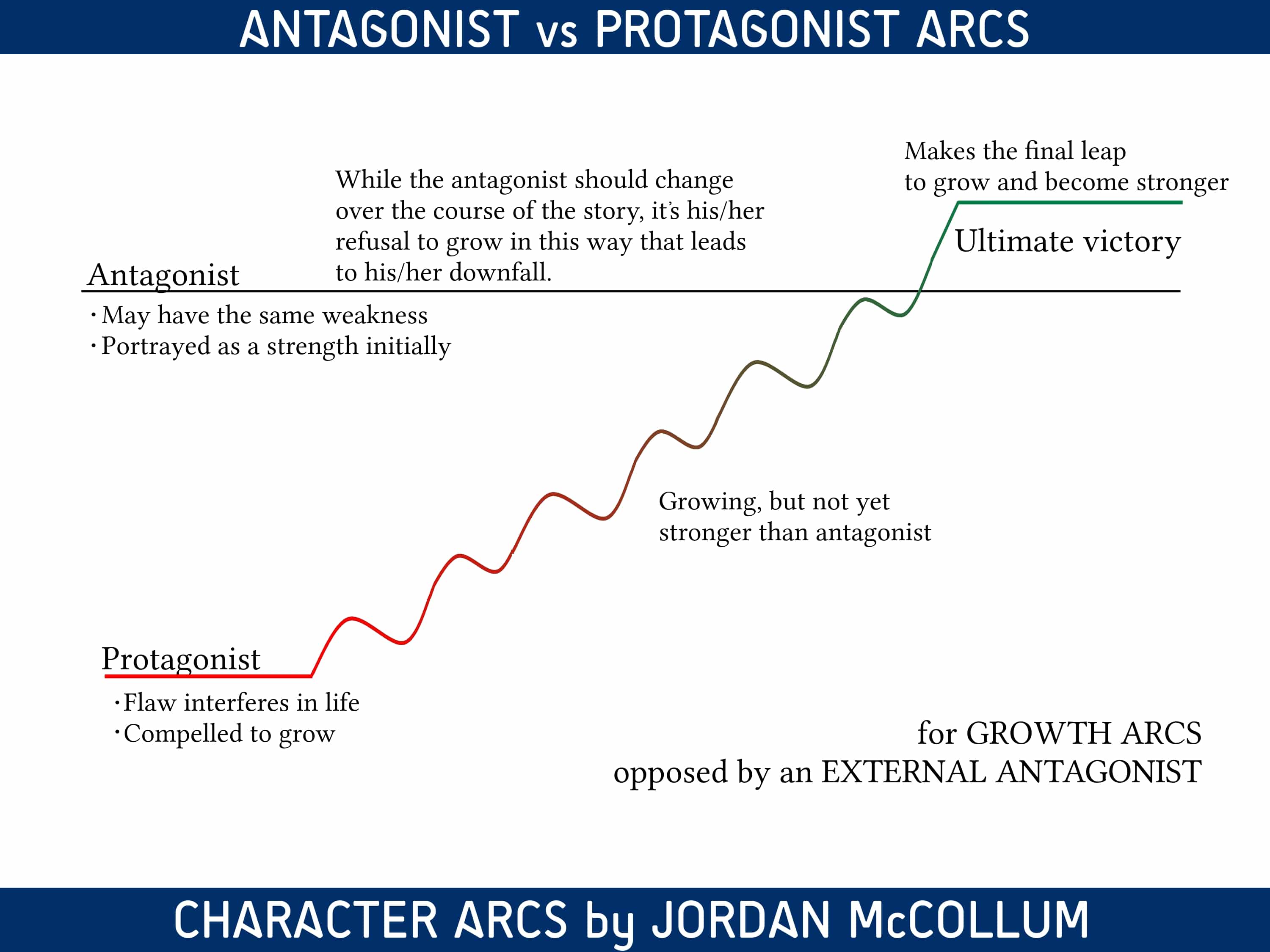
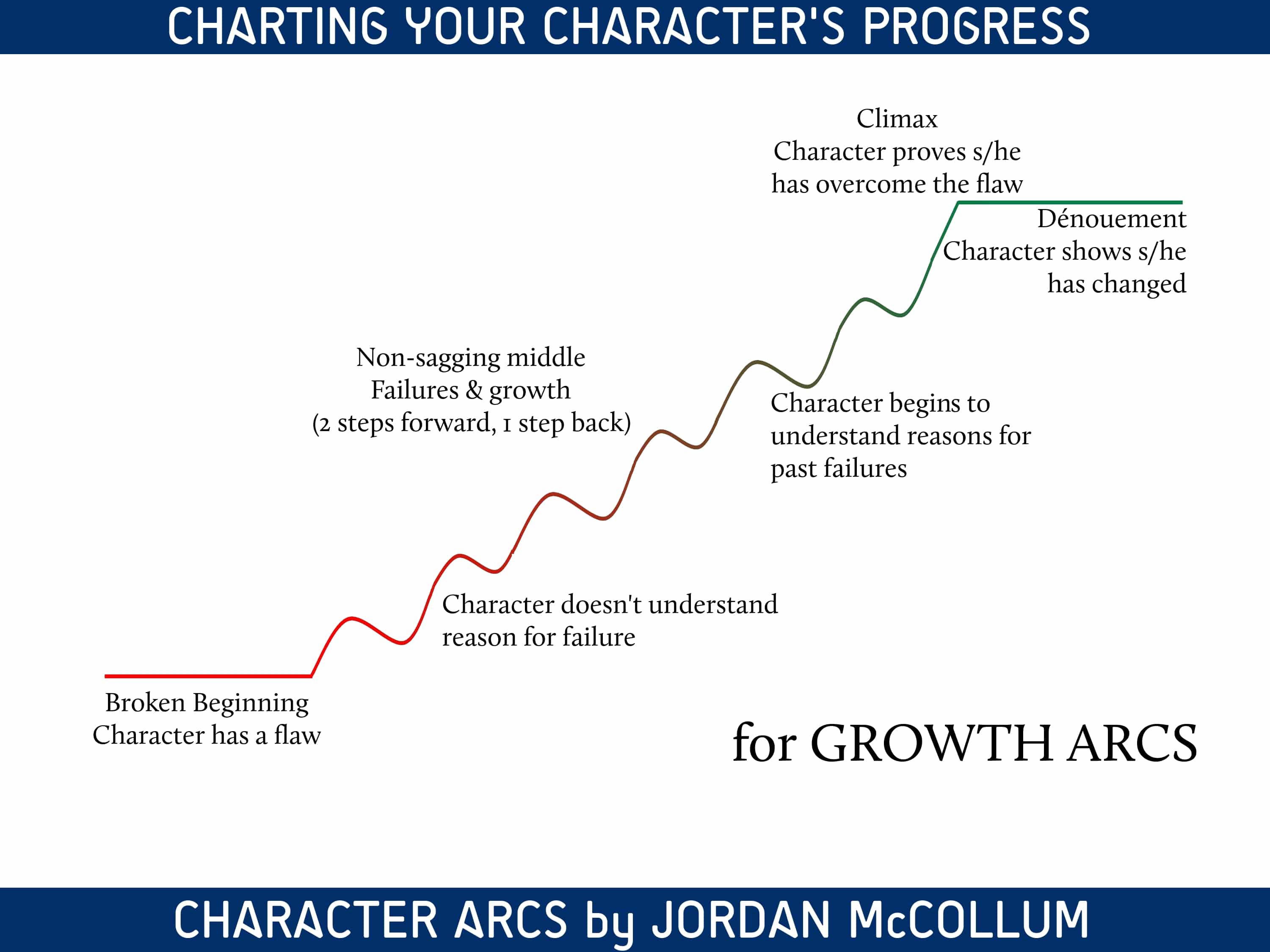
Worksheets
Click on the image for the full-size version!
Bonus Material
Posts on character arcs!
- Six Steps to Stronger Character Arcs in Romances at Romance University
- Five Steps to Better Character Arcs, on Janice Hardy’s The Other Side of the Story
- Got strong characters? Find their weaknesses on Writers Helping Writers (home of the Bookshelf Muse)
- Could Frozen be any better? Analyzing character arcs in the newest Disney feature
- More to come!
Also in the Writing Craft Series
|
|
||
|
 |
 |
| Character Arcs: | Character Sympathy: | Character Depth: |
| Founding, forming and finishing your character’s internal journey | Creating characters your readers have to root for | Keeping readers riveted with real characters, emotion & deep POV |


Buy now | About the book | Table of Contents
Advance praise | Product details | Worksheets